

Health, Reimagined: Building Daily Systems That Actually Stick
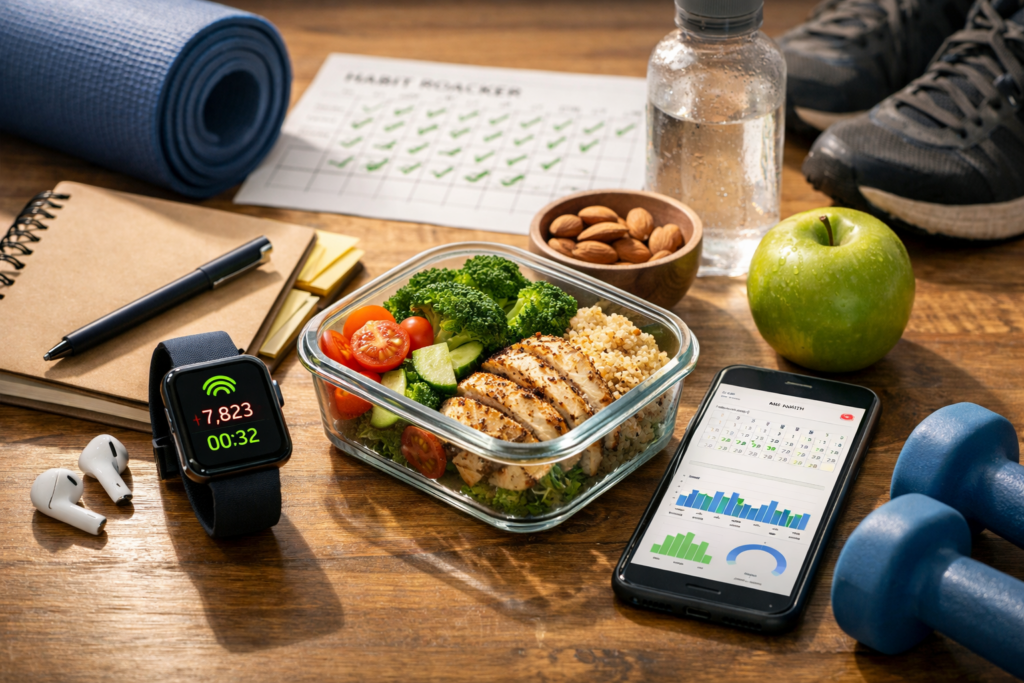
What “Health” Really Means
Health is often treated like a finish line—something you “get” after a diet, a fitness program, or a doctor’s appointment. In reality, health is dynamic: it’s how your body and mind function day to day, how well you recover from stress, and how effectively you adapt to changing demands. A useful definition is capacity: the capacity to move, think, work, connect with others, and enjoy life with minimal limitation.
Because health is multi-dimensional, improvements rarely come from a single change. The most reliable approach is building a set of small, repeatable systems that cover the essentials: movement, nutrition, sleep, stress regulation, social connection, and preventive care.
The Core Pillars of Everyday Health
1) Movement: Train Your Body for the Life You Live
Regular physical activity supports cardiovascular function, metabolic health, mood, brain function, and mobility. The goal isn’t perfection—it’s consistency and variety. Think of movement as a toolkit:
- Cardio builds heart and lung capacity, making daily tasks easier and supporting long-term cardiovascular health.
- Strength training preserves muscle and bone, improves insulin sensitivity, and protects joints as you age.
- Mobility and balance reduce injury risk and keep you confident in everyday movement (stairs, lifting, reaching, playing).
Practical approach: aim for a baseline of daily walking or light activity, add strength training a few times per week, and sprinkle mobility work into warm-ups or breaks. If you’re starting from zero, begin with 10-minute walks and simple bodyweight movements. The “best” plan is the one you can repeat.
2) Nutrition: Focus on Patterns, Not Perfection
Nutrition is often framed as restriction, but sustainable eating is about meeting your body’s needs reliably. Most people benefit from a few broad principles:
- Prioritize protein at meals for satiety, muscle maintenance, and stable energy.
- Increase fiber (vegetables, beans, whole grains, fruit, nuts, seeds) to support gut health and cholesterol control.
- Choose mostly minimally processed foods while leaving room for enjoyment—rigidity tends to backfire.
- Hydrate consistently, especially if you’re active or in hot climates.
A helpful way to structure meals is “protein + plants + color + healthy fat.” For example: yogurt with berries and nuts; a bean-and-vegetable chili; salmon with roasted vegetables and rice; tofu stir-fry with mixed greens and sesame. If weight change is a goal, start by improving food quality and regularity before aggressively tracking calories.
3) Sleep: The Most Underrated Health Tool
Sleep is when your body consolidates memory, repairs tissues, regulates hormones, and recalibrates your stress response. Poor sleep can increase cravings, reduce motivation to exercise, impair focus, and worsen mood—creating a loop that makes other health changes harder.
To improve sleep without overhauling your life, focus on:
- Consistency: keep a stable wake time most days.
- Wind-down routines: dim lights, reduce heavy meals and alcohol near bedtime, and create a predictable pre-sleep pattern.
- Environment: a cool, dark, quiet room supports deeper sleep.
- Light exposure: morning daylight helps set your body clock; bright screens late at night can delay sleepiness.
If you snore loudly, wake gasping, or experience persistent daytime sleepiness, consider screening for sleep apnea, which is common and treatable.
4) Stress Regulation: Lower the “Background Noise”
Stress isn’t always harmful—your body is designed to respond to challenges. The problem is chronic stress without adequate recovery. Over time, it can contribute to high blood pressure, digestive issues, sleep disruption, anxiety, and burnout.
Effective stress regulation is less about “never feeling stressed” and more about building reliable recovery signals into your day:
- Breathing practices (slow exhale-focused breathing) to shift toward relaxation.
- Short movement breaks to reduce tension and improve mood.
- Boundaries with work, news, and digital overload.
- Time in nature and meaningful hobbies for mental decompression.
Just as importantly, learn your early warning signs—irritability, headaches, procrastination, overeating, insomnia—and treat them as cues to recover, not personal failures.
5) Social Health: Connection Is a Biological Need
Strong relationships are linked to better mental health, improved recovery from illness, and healthier behaviors over time. Social health doesn’t require a huge network; it requires consistent, supportive contact. Scheduling regular check-ins, shared meals, walks with a friend, or group activities can be as protective as many traditional “health hacks.”
Preventive Care: Health Isn’t Only What You Do—It’s What You Catch Early
Prevention combines routine medical care with informed self-monitoring. Even with excellent habits, genetics and chance still matter, so screenings and vaccinations are key tools.
- Annual or periodic checkups to monitor blood pressure, weight trends, and risk factors.
- Recommended screenings (cholesterol, diabetes markers, cancer screenings) based on age, sex, and family history.
- Oral health (cleanings and gum care) to reduce inflammation and protect overall health.
- Vaccinations to prevent avoidable infections and complications.
If you’re unsure what applies to you, ask your clinician for a personalized prevention plan. It’s one of the highest-return conversations you can have.
How to Build Health Habits That Last
Most people don’t fail because they lack information; they fail because the plan is too intense, too vague, or disconnected from real life. Try these strategies:
- Start small: pick one habit you can do on your worst day (e.g., a 10-minute walk).
- Make it specific: “Exercise more” becomes “walk after lunch on weekdays.”
- Stack habits: link new behaviors to existing routines (stretch after brushing teeth).
- Track the process: check off actions, not outcomes. Outcomes follow.
- Design your environment: keep healthy foods visible, put workout clothes out, reduce friction.
Health is best viewed as a long-term relationship with your body. You don’t need dramatic transformations to see meaningful change—just repeatable actions that compound. When movement, nourishment, sleep, stress recovery, and prevention work together, you build a foundation that supports both performance now and well-being later.