

Recreation Reimagined: How Play, Rest, and Curiosity Keep Life in Balance
What Recreation Really Means
Recreation is any voluntary activity you choose primarily for enjoyment, restoration, or personal fulfillment. It can be energetic, like a game of basketball, or quiet, like reading on a porch. What makes an activity “recreational” isn’t how intense it looks from the outside, but how it functions for you: it refreshes your mind, recharges your body, and helps you return to responsibilities with more clarity and resilience.
In modern life, recreation is often treated as optional—something you do only after every task is complete. Yet that framing ignores how recreation supports performance, mood, and health. When planned intentionally, recreational time acts like preventative maintenance for well-being, reducing stress before it accumulates and offering small moments of joy that make routines sustainable.
Why Recreation Matters for Health and Community
Physical benefits
Many recreational activities involve movement, and even moderate activity can support cardiovascular health, mobility, and sleep quality. Recreational movement tends to be easier to maintain than rigid workout programs because it is tied to fun and social connection. A weekly hike with friends or a regular dance class can provide consistent physical benefits without feeling like a chore.
Mental and emotional benefits
Recreation creates space for the brain to shift out of “problem-solving mode.” That shift can lower stress, improve emotional regulation, and reduce symptoms of anxiety and burnout. Creative recreation—such as painting, music, writing, or crafts—also offers a sense of progress and identity beyond work or caregiving roles. Even short bursts of play can interrupt rumination and help you reset your attention.
Social benefits
Recreational spaces are often where friendships form and deepen. From neighborhood sports leagues to board game cafés, shared activities provide a low-pressure way to connect. This matters because social isolation is linked to poorer health outcomes; recreation can be a practical and enjoyable antidote. For families, recreation builds traditions and shared memories, strengthening bonds across generations.
Benefits for productivity and learning
It can feel counterintuitive, but time away from tasks can make you more effective when you return. Breaks support creativity and problem-solving by allowing ideas to incubate. Recreational learning—like taking a cooking class or practicing a new language casually—keeps curiosity alive and can enhance confidence in other areas of life.
Types of Recreation: Finding What Fits
Recreation is not one-size-fits-all. Your ideal options depend on energy levels, access to facilities, budget, mobility, and personal interests. The most sustainable recreation matches your lifestyle and feels rewarding rather than forced.
Active recreation
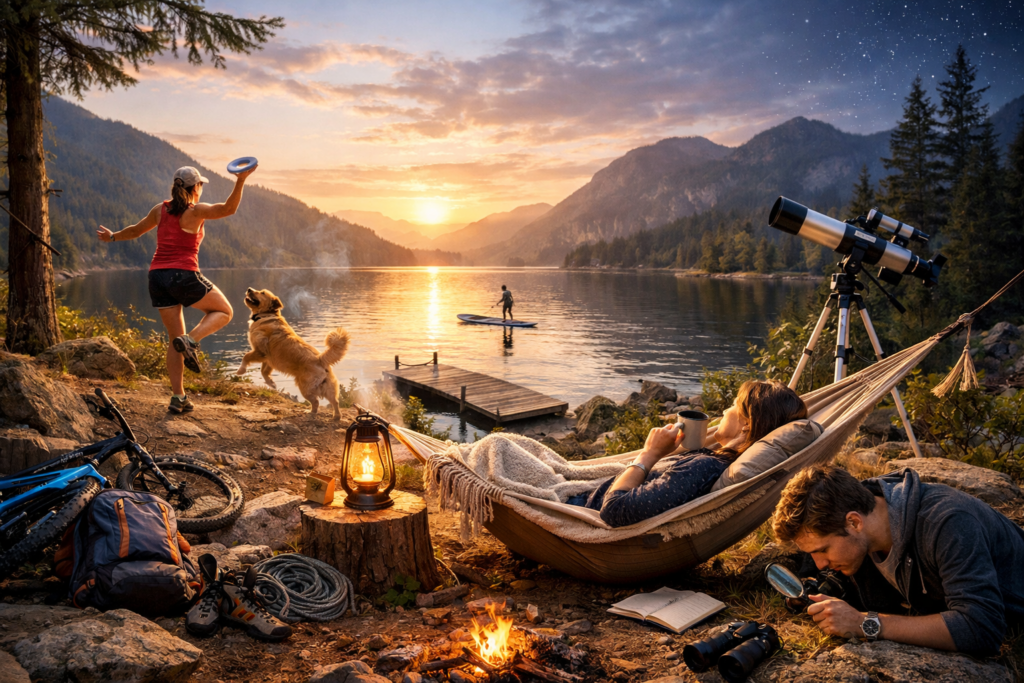
Active recreation includes activities that elevate the heart rate and engage the body. Examples include swimming, cycling, hiking, basketball, yoga, skating, or casual jogging. Active recreation can be competitive or purely for enjoyment. If motivation is a challenge, pairing movement with music, nature, or social time often helps.
Passive or restorative recreation
Restorative recreation focuses on calming the nervous system and replenishing energy. Reading, gentle stretching, listening to music, birdwatching, or visiting a museum can all be recreational if they help you reset. This category is especially valuable during periods of high stress, illness, or limited time.
Creative recreation
Creative recreation involves making something or expressing yourself—drawing, cooking, photography, woodworking, gardening, knitting, playing an instrument, or writing. The goal isn’t perfection; it’s enjoyment and engagement. Creative hobbies can also provide a satisfying alternative to screen-based downtime.
Social and cultural recreation
Social recreation is centered on connection: group classes, community events, volunteering, local festivals, clubs, and group games. Cultural recreation—such as theater, live music, dance events, or heritage celebrations—adds a sense of belonging and expands perspective.
Nature-based recreation
Spending time outdoors has measurable effects on stress and attention. Nature-based recreation can be simple and accessible: a walk in a park, a picnic, shoreline time, or a weekend camping trip. Even brief exposure to green spaces can feel restorative.
Barriers to Recreation—and Practical Ways Around Them
Many people value recreation but struggle to do it consistently. The obstacles are real, yet most have workable adaptations.
- Time constraints: Replace “all-or-nothing” thinking with small, repeatable options—10 minutes counts. Schedule recreation like an appointment.
- Cost: Choose free or low-cost activities: public parks, library programs, community sports, walking groups, or at-home creative projects.
- Energy and burnout: Match recreation to your capacity. On low-energy days, pick restorative options rather than pushing intensity.
- Access and transportation: Use nearby spaces, online classes, or micro-adventures close to home. Advocate for community resources when possible.
- Self-consciousness: Start with beginner-friendly environments. Recreational spaces are for participation, not performance.
How to Build a Recreation Habit That Lasts
The key to lasting recreation is not willpower—it’s design. Make it easy to start and rewarding to continue.
- Create a “menu” of options: List 5–10 activities you enjoy, sorted by time needed (10 minutes, 30 minutes, 2 hours).
- Anchor it to existing routines: A short walk after lunch, a weekly class after work, or a Saturday morning park visit can become automatic.
- Plan for seasons and weather: Have indoor alternatives (home workouts, crafts, museums) so recreation doesn’t disappear when conditions change.
- Mix novelty with familiarity: Repeat favorites for consistency, and try something new monthly to keep motivation high.
- Protect the “re-entry” benefit: End recreation with a small transition—hydration, shower, brief journal note—so you return to responsibilities smoothly.
Recreation Across Life Stages
Recreation evolves with age and circumstance. Children often recreate naturally through play, but still benefit from safe spaces and varied options. Teens may enjoy team sports, creative outlets, or social clubs that support identity and confidence. Adults often need intentional planning as work and caregiving grow; recreation becomes crucial for stress management and relationship health. For older adults, recreation supports mobility, cognitive engagement, and social connection—particularly through walking groups, dance, gardening, and community classes.
Importantly, inclusive recreation recognizes different abilities and needs. Adaptive sports, accessible trails, sensory-friendly events, and flexible program design help more people participate meaningfully.
Making Recreation a Value, Not a Reward
When recreation is treated only as a reward for finishing everything else, it often disappears—because “everything else” is never truly done. A healthier approach is to see recreation as a core life practice: a way to maintain health, cultivate relationships, and keep curiosity alive. Whether it’s an evening walk, a weekend game night, or a creative hour with no agenda, recreation is where many people rediscover energy and perspective.
Start small, choose what genuinely restores you, and let recreation be a consistent part of your schedule. Over time, the benefits accumulate—not just as relaxation, but as a stronger, more balanced way of living.