

Family and Wound Care Solutions: Building Better Health Through Everyday Support
Why Family-Centered Health Care Matters
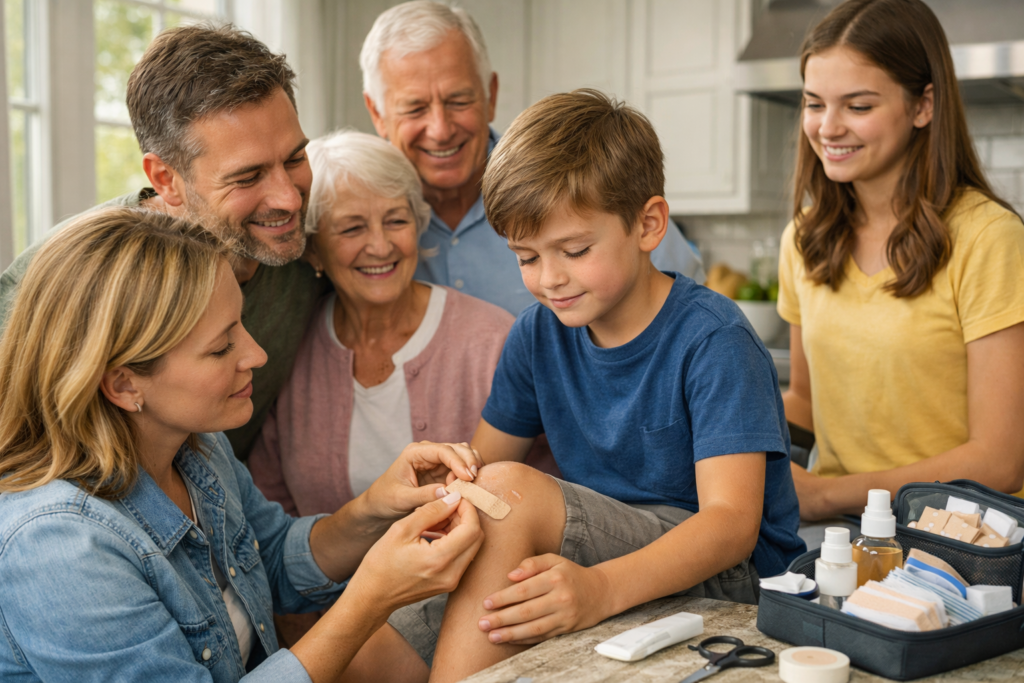
Health is not only about treating illness after it appears. It also involves prevention, daily support, education, and the ability to respond well when injuries or chronic conditions affect everyday life. Family-centered care plays a major role in this process because many people recover, manage symptoms, and maintain healthy habits within the home. When families understand how to support healing, monitor changes, and create safe routines, the results can be more consistent and more reassuring for everyone involved.
This is especially true in wound care. Whether someone is recovering from surgery, managing a diabetic ulcer, dealing with a pressure injury, or caring for a minor cut that needs close observation, proper wound care can reduce complications and support faster healing. Resources such as Family and Wound Care Solutions highlight how important specialized support can be for individuals and caregivers seeking practical health guidance.
The Connection Between Wound Care and Overall Wellness
Wounds may seem like isolated physical injuries, but they often reflect broader health concerns. A slow-healing wound can be linked to diabetes, poor circulation, infection risk, nutritional deficiencies, or reduced mobility. Because of this, wound care should never be seen as a simple cosmetic issue. It is part of a larger health picture that includes immune function, hygiene, chronic disease management, pain control, and emotional well-being.
Good wound care supports health in several ways. It helps protect the body from infection, lowers the chance of hospital readmission, improves comfort, and allows people to stay more active during recovery. In many cases, timely attention can also prevent a minor issue from becoming a serious medical problem. Families who understand the basics of wound observation and care are often better prepared to respond early when something changes.
Key factors that influence wound healing include:
- Proper cleaning and dressing techniques
- Blood sugar control for people with diabetes
- Adequate hydration and balanced nutrition
- Regular monitoring for redness, swelling, odor, or drainage
- Pressure relief and mobility support
- Following medical instructions for medications and follow-up care
The Role of Families in Home-Based Recovery
Home is where many people feel most comfortable, but recovery at home also requires structure. Family members often become the first line of support by helping with dressing changes, medication reminders, transportation to appointments, and emotional encouragement. Their involvement can make a meaningful difference in both healing outcomes and quality of life.
However, caregiving should not rely on guesswork. Families benefit most when they receive clear, simple information about what to do, what to avoid, and when to contact a health professional. Even basic knowledge such as hand hygiene before wound contact, recognizing signs of delayed healing, and storing supplies correctly can improve confidence and reduce risk.
Family support also extends beyond physical treatment. People healing from wounds may feel frustrated, anxious, or limited in their daily routines. Encouragement, patience, and realistic care plans help reduce stress, which can indirectly support recovery. A calm and well-informed home environment is often an underrated part of good health care.
Common Health Challenges That Require Coordinated Care
Family and wound care solutions are particularly valuable in situations where health needs overlap. For example, older adults may need help with mobility, skin protection, medication management, and chronic condition monitoring at the same time. Similarly, individuals with diabetes often require attention to foot health, nutrition, circulation, and early wound identification.
In these cases, coordinated care is essential. Instead of focusing only on a single symptom, families and providers should look at the bigger picture. This means asking practical questions: Is the person eating well enough to support healing? Are they moving safely? Is pain interfering with sleep? Is the wound improving over time? By thinking holistically, families can help identify barriers that might otherwise delay progress.
Health situations that often benefit from integrated family and wound care include:
- Post-surgical recovery at home
- Diabetic foot wounds
- Pressure injuries in less mobile patients
- Skin tears in older adults
- Chronic ulcers related to circulation issues
- Injury recovery requiring long-term observation
Practical Habits That Support Better Healing
Strong health outcomes are often built through small daily habits. For wound care and family wellness, consistency matters more than perfection. A reliable routine helps reduce missed treatments, confusion, and preventable setbacks. It also gives caregivers a clearer way to track progress and communicate with clinicians.
Some of the most effective habits are simple. Washing hands thoroughly before care, keeping the wound area clean and protected, maintaining hydration, and ensuring enough protein intake can support natural healing processes. Caregivers should also keep written notes when needed, including changes in wound size, drainage, pain, or temperature. This kind of record can be useful during follow-up visits and can help health professionals make better decisions.
- Create a clean, organized space for supplies
- Follow the dressing schedule exactly as directed
- Watch for signs of infection or worsening tissue damage
- Encourage movement when medically appropriate
- Prioritize healthy meals rich in protein, vitamins, and fluids
- Seek professional advice if healing slows or symptoms change
Education as a Long-Term Health Tool
One of the most valuable aspects of family-focused health support is education. When people understand why a wound needs moisture balance, why pressure relief matters, or why blood sugar affects healing, they are more likely to follow care plans successfully. Education turns passive care into active participation.
This principle applies beyond wound management. Families who learn about prevention often become better equipped to reduce future health risks. They may improve nutrition, encourage physical activity, recognize early warning signs, and create safer environments for children, older adults, and individuals with chronic conditions. In this way, wound care can become an entry point to broader health awareness and stronger everyday habits.
Conclusion
Health is strongest when care extends beyond the clinic and into daily life. Family involvement, informed routines, and proper wound care support can improve healing, reduce complications, and strengthen overall well-being. By focusing on both immediate treatment and long-term wellness, families can play an essential role in recovery and prevention.
Whether the need is short-term support after an injury or ongoing management of a chronic wound, practical guidance and reliable care strategies matter. A family-centered approach helps turn health care into something more consistent, compassionate, and effective for everyone involved.