

Beyond the Scoreboard: How Sports Shape Bodies, Minds, and Communities
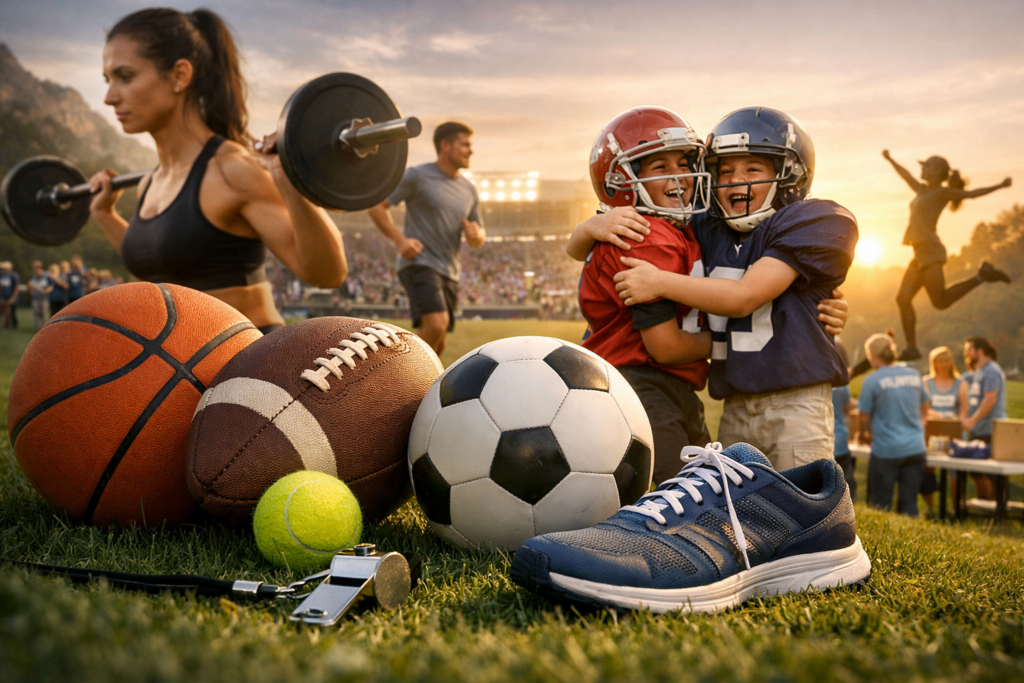
The Enduring Power of Sports
Sports have been a central part of human civilization for centuries, evolving from ancient contests of strength and skill into the organized, highly visible competitions we know today. Whether played on neighborhood courts, school fields, professional arenas, or international stages, sports capture attention because they combine effort, emotion, strategy, and shared experience. They entertain millions, but their deeper value lies in how they shape individuals and societies.
At their core, sports involve physical activity governed by rules, competition, and goals. Yet their impact goes beyond winning and losing. Participation in sports can improve health, build discipline, foster teamwork, and create a sense of identity. For many people, sports are not simply hobbies; they are pathways to confidence, connection, and opportunity.
Physical Benefits of Sports Participation
One of the most obvious advantages of sports is the improvement of physical health. Regular participation helps strengthen the heart, lungs, muscles, and bones. It also supports healthy weight management, better coordination, and increased flexibility. In a time when sedentary lifestyles are common, sports provide an engaging way to stay active.
Different sports offer different physical benefits. Running-based sports such as soccer and basketball improve endurance and cardiovascular fitness. Strength-oriented activities such as wrestling or rowing build muscular power. Precision sports like tennis and badminton sharpen reflexes, balance, and agility. Even lower-impact sports, including swimming and cycling, provide significant health benefits while reducing strain on joints.
- Improved cardiovascular health
- Greater muscular strength and endurance
- Enhanced coordination and balance
- Better flexibility and mobility
- Reduced risk of lifestyle-related diseases
Importantly, sports often make exercise feel purposeful and enjoyable. Instead of viewing physical activity as a chore, players focus on the challenge, teamwork, and excitement of the game. This can lead to greater consistency and long-term healthy habits.
Mental and Emotional Advantages
Sports also play a significant role in mental well-being. Physical activity is known to reduce stress, improve mood, and support better sleep. During exercise, the body releases chemicals that can elevate feelings of happiness and reduce anxiety. For many participants, sports serve as a healthy outlet for pressure and emotion.
Beyond these biological effects, sports teach psychological skills that are useful in daily life. Athletes learn how to set goals, manage setbacks, stay focused, and persevere through difficulty. Losing a game, recovering from injury, or facing a strong opponent can be frustrating, but these experiences often build resilience. Over time, players develop the ability to respond to challenges with patience and determination.
Team sports in particular can reduce feelings of isolation by creating strong social support systems. Being part of a team often means sharing both success and disappointment, which can strengthen emotional bonds and increase a sense of belonging.
Sports as a Teacher of Life Skills
Many of the lessons learned through sports extend well beyond the field of play. Young athletes often discover the importance of punctuality, responsibility, practice, and respect for rules. Coaches and teammates can become powerful influences, reinforcing values such as honesty, communication, and accountability.
Sports can also develop leadership. Captains, experienced players, and even those who lead by example learn how to motivate others and make decisions under pressure. At the same time, participation teaches humility, because even talented athletes must continue learning and improving. This balance between confidence and self-awareness is valuable in education, work, and personal relationships.
Key Life Skills Developed Through Sports
- Teamwork and collaboration
- Time management
- Discipline and self-control
- Leadership and communication
- Problem-solving under pressure
- Respect for rules and opponents
The Social and Cultural Influence of Sports
Sports have a remarkable ability to unite people across backgrounds, languages, and borders. A local match can bring together neighbors, while global events such as the Olympics or the FIFA World Cup can command the attention of entire nations. Fans may support different teams, but the shared language of competition creates connection and excitement.
Culturally, sports often reflect the values and history of the communities in which they develop. Cricket, basketball, rugby, baseball, and martial arts all carry traditions that reveal something about the societies that celebrate them. In many places, sports are tied to regional pride, school identity, and national image.
Sports have also been powerful platforms for social change. Athletes have used their visibility to speak about equality, justice, education, and health. Their influence can inspire conversations that reach far beyond stadium walls. As a result, sports can serve not only as entertainment but also as a force that shapes public awareness and social progress.
The Business and Media Side of Sports
Modern sports are closely connected to business, technology, and media. Professional leagues generate revenue through ticket sales, sponsorships, merchandise, broadcasting rights, and digital content. This economic network supports not only athletes but also coaches, trainers, journalists, event managers, medical professionals, and countless others behind the scenes.
Media has transformed how audiences engage with sports. Fans can now watch live events from anywhere, follow statistics in real time, and interact with athletes through social platforms. Data analysis, wearable technology, and video review systems have also changed training and competition. While these innovations improve performance and access, they also raise questions about pressure, commercialization, and the balance between sport and spectacle.
Challenges Within the World of Sports
Despite their many benefits, sports are not without challenges. Injuries are an unavoidable risk in many activities, making proper training, recovery, and safety standards essential. There can also be problems related to overtraining, burnout, unequal access, and excessive pressure on young athletes.
At higher levels of competition, issues such as doping, corruption, discrimination, and financial inequality can damage the integrity of sport. Addressing these concerns requires strong leadership, fair policies, and a commitment to values that prioritize health, inclusion, and respect.
Creating accessible sports environments is especially important. Communities that invest in safe facilities, affordable programs, and inclusive coaching make it possible for more people to benefit from participation, regardless of age, ability, or income.
Why Sports Still Matter
Sports remain important because they bring together so many essential elements of human experience: movement, challenge, identity, emotion, and connection. They help people test their limits, celebrate achievement, cope with failure, and work toward shared goals. From childhood recreation to elite competition, sports continue to offer lessons that are both practical and deeply personal.
In an increasingly digital world, sports provide something immediate and real: the effort of the body, the strategy of the mind, and the energy of community. They remind us that competition can coexist with respect, that discipline can lead to growth, and that a simple game can have lasting meaning. For individuals and societies alike, sports are not just pastimes. They are powerful tools for health, character, and unity.