

Recreation Reimagined: How Play, Rest, and Adventure Keep Life in Balance
What Recreation Really Means
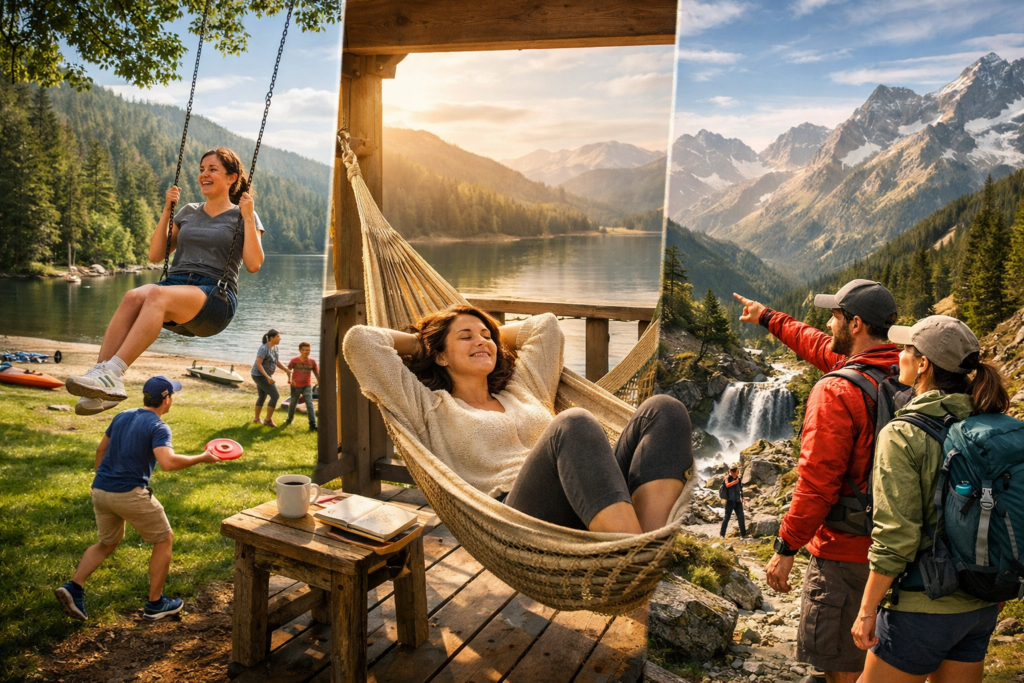
Recreation is any activity people choose for enjoyment, renewal, or personal satisfaction during time not devoted to work or essential responsibilities. It includes everything from a quiet walk to a competitive sport, from reading a novel to exploring a new city. What makes an activity “recreational” is less about what it looks like and more about why it’s done: it’s voluntary, restorative, and often intrinsically rewarding.
In a culture that can treat busyness as a badge of honor, recreation is sometimes misunderstood as unproductive. In reality, well-chosen leisure is one of the most practical ways to protect health, sustain creativity, and maintain perspective. Recreation can be active or passive, social or solitary, structured or spontaneous—yet its common purpose is to help people return to daily life with more energy and resilience.
Why Recreation Matters
Physical health and longevity
Many recreational activities naturally incorporate movement—walking, cycling, swimming, dancing, hiking, or casual games. Regular movement supports cardiovascular fitness, mobility, balance, and muscle strength. Even moderate, enjoyable physical activity can improve sleep quality and help manage stress levels, which indirectly benefits immune function and long-term health.
Mental and emotional restoration
Recreation offers a break from constant decision-making and performance pressure. Activities that absorb attention—such as painting, gardening, climbing, or playing music—can quiet rumination and create a sense of “flow,” a deeply engaged state linked with greater well-being. Leisure also provides emotional release: laughter, wonder, and play are not luxuries; they are stabilizers that help people cope with uncertainty and fatigue.
Social connection and belonging
Shared recreation strengthens relationships in ways that conversation alone sometimes can’t. Team sports, board games, community classes, volunteering, and family outings create shared memories and opportunities for cooperation. These experiences cultivate trust and belonging, which are closely tied to mental health and life satisfaction.
Identity, skill, and meaning
Recreation is often where people explore who they are beyond their job title. A person may be a parent and an accountant, but also a runner, home cook, birdwatcher, or amateur photographer. Over time, recreational interests build skills and confidence. They can also shape values—such as patience learned through fishing, courage developed in outdoor pursuits, or empathy strengthened through community arts and service activities.
Types of Recreation (and How They Serve Different Needs)
Recreation is most effective when it matches what your body and mind currently need. Broadly, leisure can be grouped into categories that support different forms of recovery and fulfillment.
Active recreation
Active recreation involves physical exertion and often provides an immediate mood boost. It ranges from informal movement to organized sports.
- Examples: hiking, jogging, yoga, basketball, swimming, dancing, rock climbing
- Best for: stress relief, energy building, physical conditioning, confidence
Relaxation and restorative recreation
Not all recreation should feel like a workout. Restorative activities calm the nervous system and help prevent burnout.
- Examples: reading, mindful walking, gentle stretching, baths, listening to music, casual crafting
- Best for: mental decompression, emotional regulation, improved sleep
Creative recreation
Creative leisure transforms attention into expression. It’s particularly helpful for people who spend their day following rules or solving other people’s problems.
- Examples: drawing, writing, cooking, photography, woodworking, playing an instrument
- Best for: flow, self-expression, problem-solving flexibility
Social and community recreation
Some activities are enjoyable largely because they are shared. Community recreation also creates informal support networks.
- Examples: clubs, pick-up sports, dance classes, volunteering, group fitness, trivia nights
- Best for: belonging, accountability, building friendships
Nature-based recreation
Time outdoors can restore attention and reduce stress. Nature provides variation, sensory richness, and a natural boundary from screens.
- Examples: parks walks, camping, kayaking, birdwatching, gardening, trail biking
- Best for: mood improvement, perspective, gentle movement, family activities
Choosing Recreation That Actually Refreshes You
Not all leisure is equally rejuvenating. A useful approach is to check in with your current state and pick an activity that meets it.
- If you feel mentally overloaded: choose something simple and sensory (walking, cooking a basic meal, stretching).
- If you feel sluggish: choose light-to-moderate movement (a bike ride, a short swim, dancing to a few songs).
- If you feel lonely: pick a social activity with low pressure (a class, a group walk, a community event).
- If you feel stuck: try a creative challenge with clear boundaries (a small sketch, a new recipe, a puzzle).
Also consider what tends to drain you. Some people find highly competitive environments energizing; others find them stressful. The best recreation is the kind that leaves you steadier afterward, not more depleted.
Barriers to Recreation—and Practical Solutions
“I don’t have time.”
Recreation doesn’t have to be large to be effective. Ten minutes of movement, a brief phone call with a friend, or a short creative session can reset the day. Treat recreation like maintenance rather than a special event: small, regular intervals add up.
“I feel guilty resting.”
Guilt often comes from the belief that value equals output. But sustained performance requires renewal. Reframe recreation as part of your responsibility to care for your health and relationships. A well-rested mind makes better decisions, communicates more patiently, and adapts faster.
“I don’t know what I enjoy anymore.”
Interests can fade under stress. Start with experimentation: try three low-cost activities over two weeks and notice what you look forward to repeating. The goal isn’t to find a perfect hobby immediately—it’s to rebuild curiosity.
Building a Recreation Habit That Lasts
Consistency comes from making recreation easy to begin and rewarding to repeat. A few simple strategies help:
- Lower the start-up cost: keep walking shoes by the door, store a book where you rest, prep a small art kit.
- Anchor it to an existing routine: stretch after coffee, walk after lunch, read before bed.
- Mix “micro” and “macro” recreation: short daily breaks plus a longer weekly activity (a class, a hike, a game night).
- Track how you feel afterward: noticing benefits builds motivation better than tracking minutes.
Recreation as a Lifelong Skill
Recreation isn’t a reward for finishing life’s demands; it is a tool for meeting them with greater health and clarity. As responsibilities change across seasons—school, career, caregiving, retirement—the most resilient people update their leisure the way they update their goals. By choosing activities that restore the body, engage the mind, and connect us to others, recreation becomes more than entertainment: it becomes a steady source of balance, joy, and durability.