

More Than Four Walls: The Living Meaning of Home
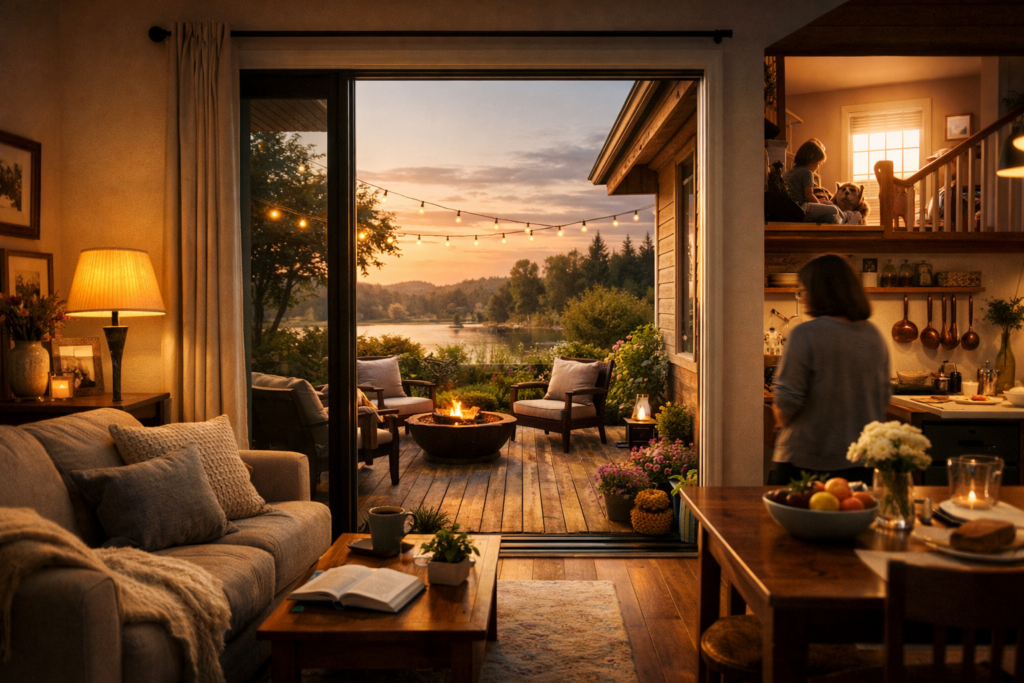
What “Home” Really Means
Home is often described as an address, a roof, or a property on a map. Yet most people know that the word carries weight beyond architecture. Home can be a childhood apartment filled with familiar creaks, a rented room that finally feels safe, or a city you chose after leaving everything behind. It is the place where daily life happens—where you recover from stress, celebrate small wins, and store the evidence of who you are.
In practice, home is a blend of physical space and emotional experience. The physical parts—light, temperature, layout, noise—set the conditions. The emotional parts—belonging, safety, autonomy—determine whether those conditions actually feel livable. A beautiful house can feel cold, while a modest space can feel like a sanctuary.
The Building Blocks of a Good Home
Although every household is different, certain needs repeatedly appear in what people describe as a “good” home. These needs aren’t about luxury; they’re about functionality and dignity.
- Safety: physical security, predictable routines, and freedom from harm or intimidation.
- Comfort: rest-friendly spaces, manageable clutter, and an environment that supports health.
- Control: the ability to set boundaries, make choices, and influence your surroundings.
- Identity: signs of personal taste—books, art, colors, objects with stories.
- Connection: room for relationships, whether through shared meals, privacy-respecting cohabitation, or neighborly ties.
When these elements align, home becomes more than a stop between errands. It becomes a base of operations: a place that helps you recover energy and face the world with steadier footing.
Home as a Physical Space: Design That Supports Real Life
Interior design trends come and go, but the most enduring homes are those organized around the lives inside them. Functionality is not boring; it is quietly liberating. A home that supports real life makes common tasks easier and reduces daily friction.
Layout and Flow
A home’s layout shapes how people move, meet, and retreat. Open plans can encourage togetherness, while defined rooms can create calm and privacy. The best approach often blends both: shared areas for connection and small corners for solitude.
Light, Sound, and Air
Natural light can change mood and productivity, while good ventilation influences sleep and comfort. Sound matters, too: soft furnishings, rugs, and curtains can reduce echo and make a space feel quieter and more restful—especially in dense neighborhoods or apartments.
Storage and Clutter
Clutter is not always a personal failing; it is often a storage problem. Thoughtful storage—hooks near the door, shelves where items are used, containers that make categories visible—turns cleanup into maintenance rather than a recurring crisis.
Home as an Emotional Landscape
What people remember about home is rarely the square footage. They remember the feeling of being welcome, the smell of a familiar meal, or the relief of closing the door after a hard day. Emotional “home” is shaped by repeated experiences that teach the nervous system whether a place is safe.
Belonging and Acceptance
Belonging grows when people can be themselves without performing. This can happen in a family household, among roommates who respect each other, or in a solo home where independence is the main comfort. Acceptance also shows up in small habits: listening without interruption, allowing differences in routines, and making space for each person’s needs.
Boundaries and Privacy
Even the most loving households require boundaries. A home becomes emotionally sustainable when privacy is protected—through doors, schedules, or simple agreements about noise and shared chores. Boundaries are not barriers; they are the structure that makes closeness possible.
Making a Home: Rituals, Objects, and Everyday Care
“Making a home” is less about purchasing the right furniture and more about creating patterns that signal steadiness. Rituals help a space feel anchored. They also help people transition between roles—worker to parent, student to friend, caregiver to self.
- Entry rituals: a place to drop keys, a brief reset, a few minutes to change clothes or wash hands.
- Shared meals: not necessarily elaborate—consistent, simple meals can build connection.
- Weekly resets: a recurring time to tidy, do laundry, and prepare for the next week.
- Comfort cues: lighting in the evening, a favorite blanket, a playlist that signals rest.
Objects also matter, not for their price but for their meaning. A worn chair, a postcard from a friend, a plant you kept alive through winter—these become small proofs of continuity, especially during major life changes.
Home Changes Across a Lifetime
Home is not static. It evolves with age, relationships, health, and circumstance. A first apartment might prioritize affordability and proximity to work. Later, home may center around caregiving, accessibility, or a desire for quiet. For many, home is also shaped by movement—migration, military service, divorce, or relocation for opportunity.
In these transitions, people often discover that home can be recreated. Familiar practices travel well: cooking a signature dish, keeping photos visible, arranging a desk the same way, or maintaining a morning routine. Even when the walls change, the sense of home can be rebuilt through repeated, intentional choices.
Home and Community: Beyond the Front Door
Home extends outward. The neighborhood, building, or surrounding community can strengthen—or strain—what home feels like. Friendly neighbors, safe streets, and accessible parks make it easier to relax. A supportive community also offers something priceless: the sense that if something goes wrong, you are not alone.
Small actions can deepen that connection: greeting the same people on walks, learning local rhythms, supporting nearby businesses, or participating in a shared garden. Community doesn’t have to be loud or intimate to be meaningful; even gentle familiarity can make a place feel like yours.
What to Aim For When You Think About Home
If home is both place and feeling, then improving home can be both practical and personal. The goal is not perfection; it is fit—a space and set of routines that support your life as it is now, while leaving room for who you are becoming. Whether you live alone, with family, or with roommates, a good home is one that makes ordinary days easier and hard days survivable.
Ultimately, home is where you can exhale. It is where your life is allowed to be real—unfinished projects, inside jokes, quiet mornings, and all.